

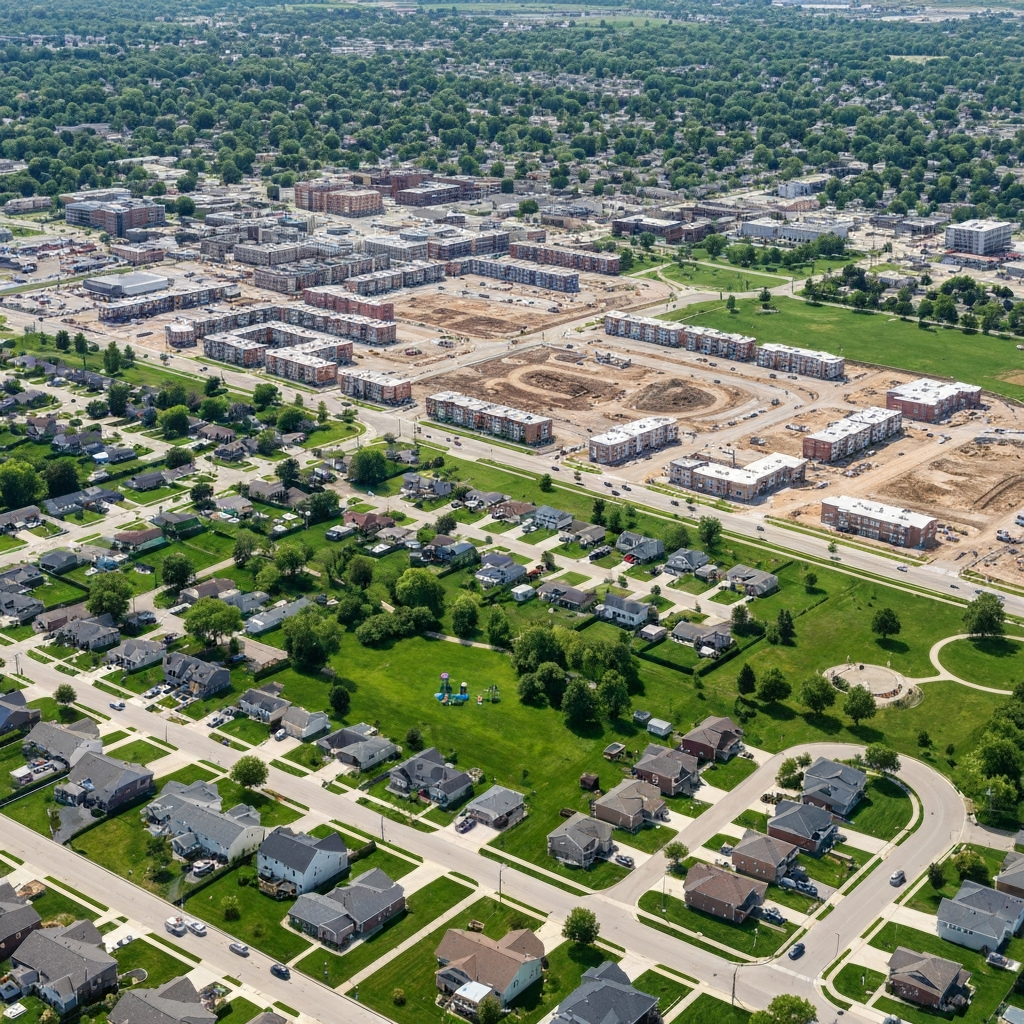
Green Bay’s housing market has experienced notable changes recently, reflecting broader economic trends and local developments. Understanding these shifts is essential for prospective buyers, renters, and community members.
Current Market Trends
As of March 2026, the average home value in Green Bay stands at $278,024, marking a 5.9% increase over the past year. Homes typically go pending in around 45 days, indicating a moderately paced market. The median sale price is $259,983, with a median list price of $289,900. These figures suggest a balanced environment for both buyers and sellers.
Rental Landscape
The rental market in Green Bay remains relatively affordable compared to national averages. The average rent is $1,039, significantly lower than the national average of $1,910. This affordability makes Green Bay an attractive option for renters seeking value without compromising on quality of life.
Local Developments
Several initiatives are underway to enhance Green Bay’s housing landscape:
Fire Station Flats Redevelopment
The city has approved up to $1.3 million in grants and loans to support the development of the 85-unit Fire Station Flats apartment building and a new Green Bay Metro Fire headquarters on the former Badger Sheet Metal factory site. This project aims to provide affordable housing and modernize essential services.
Veterans First Tiny Homes Project
To support veterans, the Green Bay Redevelopment Board approved an additional $204,000 for the Veterans First tiny homes project on St. Anthony Drive. Once complete, the project will offer 21 supportive housing units and a community center, addressing the unique needs of veterans in the area.
Habitat Homestead Development
Greater Green Bay Habitat for Humanity has embarked on its first large-scale, multi-home build development. Located on the city’s east side, the $4 million Habitat Homestead project will feature seven single-family homes and two three-unit townhomes, providing affordable housing for 13 families.
These developments reflect Green Bay’s commitment to addressing housing needs and fostering community growth. Staying informed about these trends and projects can help residents make informed decisions in this evolving market.